

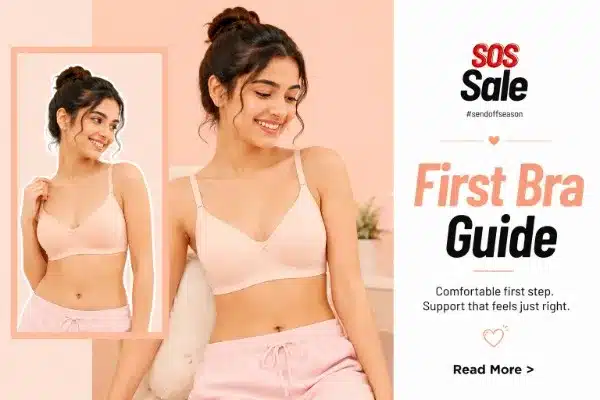
Buying your first bra is an exciting milestone, but it can also feel confusing. With countless styles, sizes, fabrics, and features available, it’s easy to wonder where to begin. The good news is that your first bra doesn’t have to be complicated. The right beginner bra should focus on comfort, confidence, and gentle support rather than fashion trends or advanced features.
Whether you’re shopping for yourself or helping someone choose their first bra, this guide will help you understand what really matters.
What Is a Beginner Bra?
A beginner bra, often called a first bra or training bra, is designed to provide light support while helping young girls and teenagers transition comfortably into wearing bras. These bras are made with soft fabrics, simple designs, and flexible construction that adapts to a growing body.
Unlike heavily padded or underwired bras, beginner bras prioritize comfort and natural movement.
“The first bra isn’t about finding perfection—it’s about discovering what comfort feels like.”
Why Choosing the Right First Bra Matters
Your first bra sets the foundation for future comfort and confidence. A properly fitted beginner bra can help you feel secure throughout the day while preventing discomfort caused by poor sizing or restrictive fabrics.
A comfortable bra allows you to focus on your daily activities without constantly adjusting straps or worrying about irritation.
Features of a Good Beginner Bra
When buying a first bra, look for features that prioritize comfort over fashion.
Soft, Breathable Fabric
Cotton is one of the best materials for beginner bras because it’s lightweight, breathable, and gentle on sensitive skin. Cotton blends with a little stretch also provide flexibility for growing bodies.
Wire-Free Design
Wireless bras eliminate the pressure and discomfort that underwires can sometimes cause. They offer gentle support while allowing natural movement.
Light Support
A beginner bra should provide enough support to feel secure without compressing the chest. Lightly structured cups or double-layer fabric are usually ideal.
Adjustable Straps
Adjustable straps help customize the fit as your body grows, ensuring long-lasting comfort.
Flat Seams or Seamless Construction
Smooth seams reduce friction and irritation, making the bra more comfortable for extended wear, especially during school or daily activities.
How to Choose the Right Size
Finding the perfect size doesn’t need to be stressful.
Instead of focusing only on measurements, pay attention to how the bra feels.
A well-fitting beginner bra should:
- Sit comfortably around the ribcage
- Stay in place without riding up
- Have straps that don’t slip or dig into the shoulders
- Feel supportive without squeezing
- Allow easy movement throughout the day
Since the body continues to grow during the teenage years, choosing a slightly flexible fit is often more comfortable than selecting a very tight size.
Best Fabrics for Beginner Bras
The fabric plays a huge role in comfort.
Recommended materials include:
- Soft cotton
- Cotton-rich blends
- Breathable microfiber
- Stretch jersey fabric
These materials help keep the skin cool while reducing irritation during long hours of wear.
Styles Perfect for First-Time Wearers
There are several beginner-friendly styles available depending on comfort preferences.
Training Bras
Simple bras with light support designed for early development.
Bralettes
Soft, wireless bras that offer comfort with a modern look.
Crop Top Bras
Provide gentle support and full coverage while feeling similar to a comfortable camisole.
Seamless Beginner Bras
Smooth construction prevents irritation and remains invisible under clothing.
When Is It Time for a First Bra?
There is no “perfect” age to start wearing a bra. Every body develops differently.
Some common signs include:
- Beginning breast development
- Feeling more comfortable with light support
- Wanting additional coverage under clothing
- Participating in sports or physical activities
- Personal preference and confidence
The decision should always be based on comfort rather than age or social expectations.
Common Mistakes to Avoid
Many first-time buyers make simple mistakes that affect comfort.
Avoid:
- Choosing a bra that’s too tight
- Buying underwired styles too early
- Prioritizing fashion over comfort
- Ignoring fabric quality
- Buying only one bra for daily wear
Having multiple comfortable bras allows them to last longer and provides better hygiene.
Caring for Your First Bra
Proper care keeps your bra comfortable and helps it last longer.
Follow these simple tips:
- Wash with a gentle detergent.
- Hand wash whenever possible.
- Air dry instead of using high heat.
- Avoid twisting or wringing the fabric.
- Store bras neatly to maintain their shape.
Good care ensures the fabric remains soft and supportive over time.
Why Comfort Builds Confidence
A beginner bra should never feel restrictive or uncomfortable. Instead, it should help you feel confident in your daily routine, whether you’re attending school, playing sports, or spending time with friends.
When the fit is right, you barely notice you’re wearing it—and that’s exactly how a first bra should feel.
Final Thoughts
Choosing your first bra doesn’t have to be confusing. The best beginner bras focus on softness, breathability, and gentle support, making the transition simple and comfortable. A wire-free cotton bra with a flexible fit is often the perfect starting point, helping you build confidence while supporting your body’s natural growth.
Remember, comfort always comes before trends. As your body changes, your bra needs may evolve too, but starting with the right beginner bra creates a positive foundation for years to come.

Leave a Reply